Long-term exposure to polluted air is consistently linked to a 10% to 16% higher risk of type 2 diabetes, according to a new analysis published in the Journal of Vascular Diseases. The finding adds to the case that dirty air harms far more than the lungs, and it carries particular weight for India.
India has an estimated 101.3 million people, or 11.4% of the population, with diabetes and another 136 million, or 15.3%, could be living with prediabetes, where blood sugar is raised but still below the diabetes threshold.
That larger group is not a safe one. Without intervention, about 60% of people with prediabetes are expected to develop diabetes. Prediabetes is also associated with a 15% higher risk of cardiovascular disease.
Researchers have also noted that Asians tend to develop diabetes at lower levels of obesity and progress faster from prediabetes to diabetes than white Caucasians, which leaves less margin for added risk from any source.
WHAT THE STUDY FOUND
The new analysis is a review of 13 earlier major reviews, together covering more than 200 million cumulative participant observations across North America, Europe, Asia, Latin America and Australia. Researchers also compared heavily polluted parts of Asia with Western countries.
Every one of the reviews that tracked new diabetes cases found a link with pollution. For each rise of 10 micrograms per cubic metre in fine particulate matter, the risk climbed by 10% to 16%. The reviews also pointed to higher overall diabetes prevalence, rising blood sugar levels and more complications.
The raised risk persisted even among people living in areas classed as having clean air. Because almost everyone breathes outdoor air, the authors say, small individual risks add up to millions of extra cases worldwide, with South and East Asia hit hardest.
Dr Anoop Misra, a co-author and head of Diabetes and Endocrinology at Fortis C-Doc Hospital for Diabetes and Allied Sciences, said pollution should be treated as more than an environmental or respiratory concern. It belongs, he said, alongside the linked heart, kidney and metabolic conditions that tend to progress together.
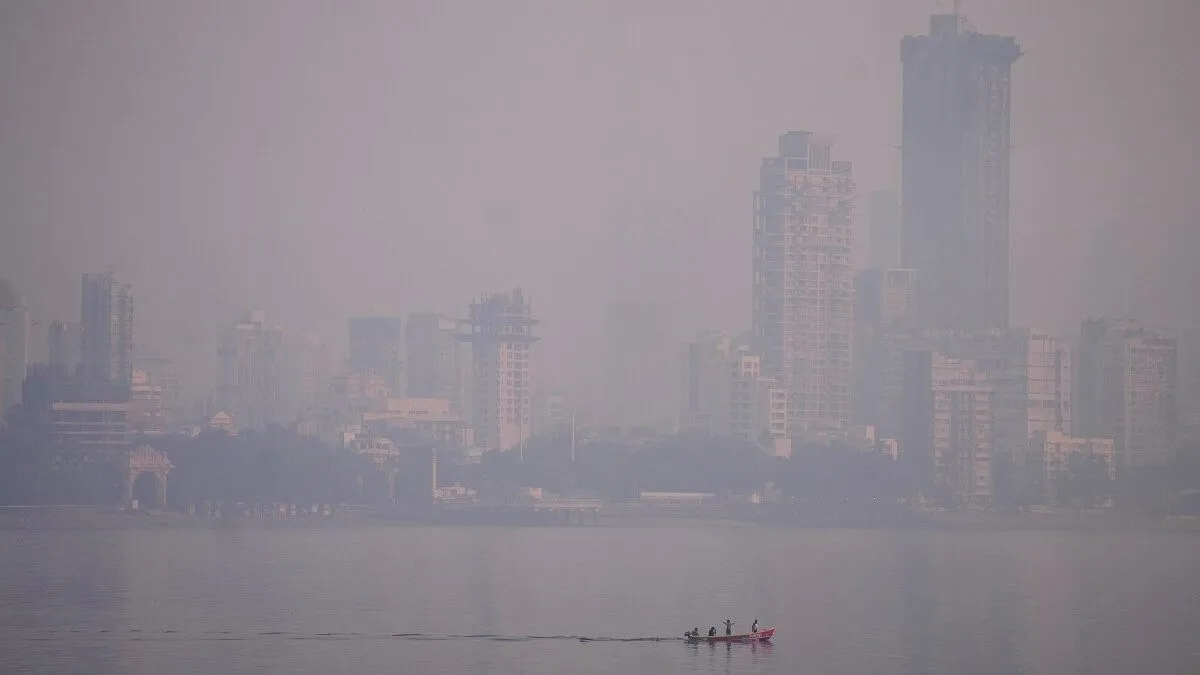
“When we look at heavy pollution in major South Asian cities, the public health toll on diabetes rates is immense,” he said. “Air quality management must become a core part of diabetes prevention.”
WIDENING THE PREVENTION LENS
Advice on diet, exercise and screening remains sound, but it asks individuals to manage a risk that partly sits outside their homes.
People, for instance, can change what they eat, but they cannot easily change what they inhale on the commute or at work.
Yashendra Sethi, the study’s first author, tied the finding directly to national policy.
“If India wants to tackle both diabetes and pollution, we must improve metabolic health and clean up our environment. We cannot fight diabetes while ignoring the air we breathe.”
While clean-air guidelines have traditionally been built around heart and lung health, the researchers say diabetes prevention should now be added, and recommend three steps: continuous air quality monitoring, tighter emissions standards, and environmental factors written into national healthcare policies.
There is, meanwhile, a caveat too.
The analysis summarises existing observational research, so it shows an association rather than proof that pollution causes diabetes. But the pattern holds across continents, and for a country with more than 100 million people already living with the disease, the authors argue that is reason enough to act.
- Ends