By June 30, the variant had also been identified in the US, beginning with a case in New York City. Subsequent detections were reported across several states, including California, Florida, Arizona and New Jersey. Based on wastewater surveillance, the researchers described PJ.2.1 as the “fastest-growing variant in the USA” at the time of the study. Beyond North America, sequences of the variant were reported in Singapore, Australia, New Zealand, Israel, France and Spain, suggesting that its spread is not confined to one region.
The study also examined other SARS-CoV-2 variants, including BA.3.2.2, LP.8.1, NB.1.8.1 and XFG, along with their descendants. It found that BA.3.2.2 had a relatively high frequency across the regions analysed between May and June 2026, although its prevalence subsequently began to decline.
DISCLAIMER: This article is based on information from the public domain and/or the experts we spoke to. Always consult your health practitioner before starting any routine.
With new variants continuing to emerge, we spoke to experts to understand what PJ.2.1 could mean for public health, whether it warrants concern and what precautions people should keep in mind.
Dr Harish Chafle, senior consultant chest physician, bronchoscopist, intensivist, and sleep disorders specialist, Gleneagles Hospitals Parel, Mumbai, explained that it is a saltation variant because it has many new mutations in the spike protein, which help it attach better to human cells and escape some old immunity. “Its symptoms look just like a common cold or seasonal flu. Patients report fever, severe sore throat, runny or blocked nose, cough, headache, muscle ache and fatigue. Because of this overlap, you cannot tell from symptoms alone if it is Covid, flu or a cold. That is why WHO says testing is important when treatment decisions depend on it,” Dr Chafle said.
Its spread should be viewed as a reason for closer monitoring, not immediate alarm, Dr Amit Saraf, director, internal medicine, Jupiter Hospital Thane, told indianexpress.com.
Story continues below this ad
How is PJ.2.1 different from the Covid-19 variants seen previously?
The key difference lies in its genetic changes and interaction with human cells, apprised Dr Saraf. “The October 2026 Journal of Infection study found that PJ.2.1 has a highly mutated spike protein and showed increased ability to interact with the ACE2 receptor, which the virus uses to enter human cells. Laboratory experiments also indicated greater cell-entry efficiency in certain cell lines. Interestingly, the study did not find that PJ.2.1 was substantially better at escaping antibodies generated by the variant-adapted vaccine responses examined. This is an important distinction: a variant spreading faster does not necessarily mean it causes more severe disease. Its clinical behaviour, including the possibility of increased hospitalisations, still needs to be established through real-world data,” described Dr Saraf.
What should Indians keep in mind, and who needs to be particularly cautious?
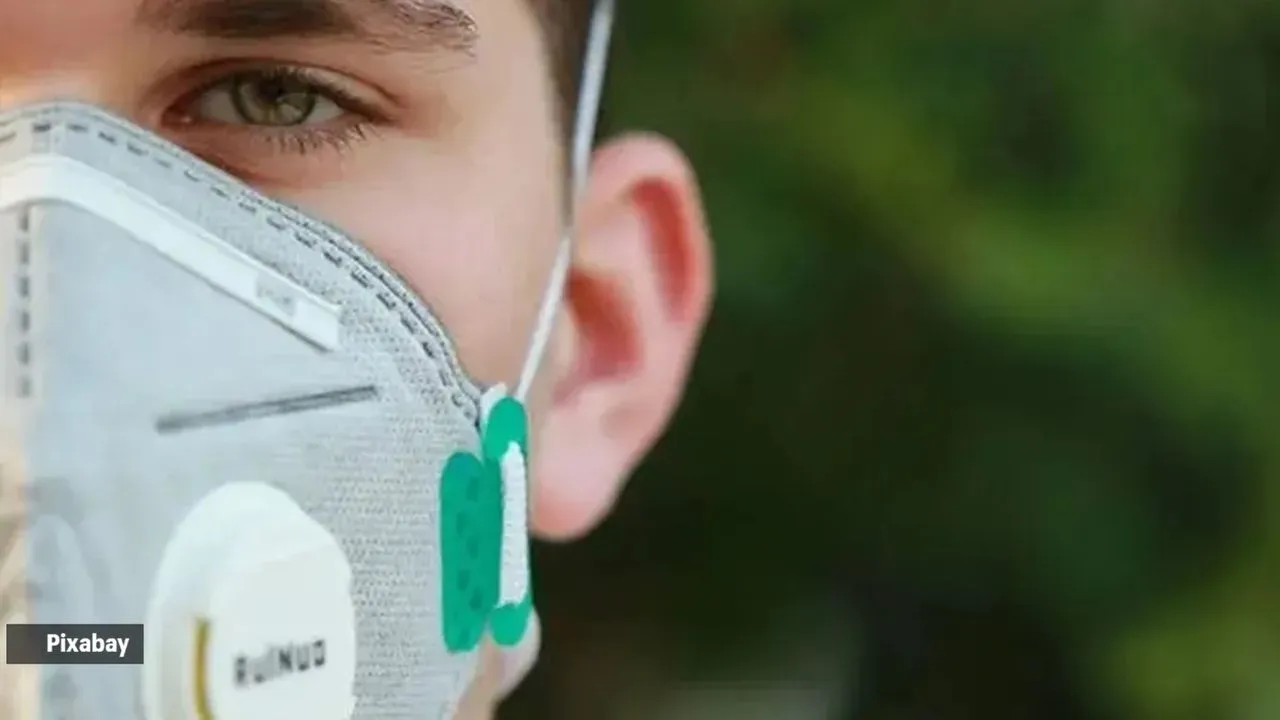
Till now, there is no evidence that PJ.2.1 causes more severe disease or hospitalisation than earlier variants. “But it is spreading faster. For Indians, there is no need to panic. Wear a mask in crowded closed places, test if symptoms last more than two days, isolate, and consult your doctor if you have fever with breathlessness or low oxygen. High-risk elderly should be more careful,” Dr Chafle said.
People should remain informed but avoid panic. “Covid-19 has not disappeared, and the emergence of another variant is a reminder that respiratory infections require continued attention,” said Dr Saraf.
“Older adults, people with diabetes, heart or lung conditions, and those with weakened immunity should be particularly careful, as they are more vulnerable to complications from respiratory infections. Anyone developing fever, persistent cough, sore throat or breathing difficulty should not dismiss the symptoms. Consider testing based on medical advice, avoid close contact with vulnerable individuals and seek timely consultation if symptoms worsen. Wearing a well-fitting mask in crowded or poorly ventilated spaces, maintaining indoor ventilation and practising hand hygiene are sensible precautions. Those at higher risk should also discuss their vaccination status and any need for an updated dose with their treating physician. The focus should be on early recognition, responsible precautions and timely medical care rather than fear of every new variant,” said Dr Saraf.
Story continues below this ad