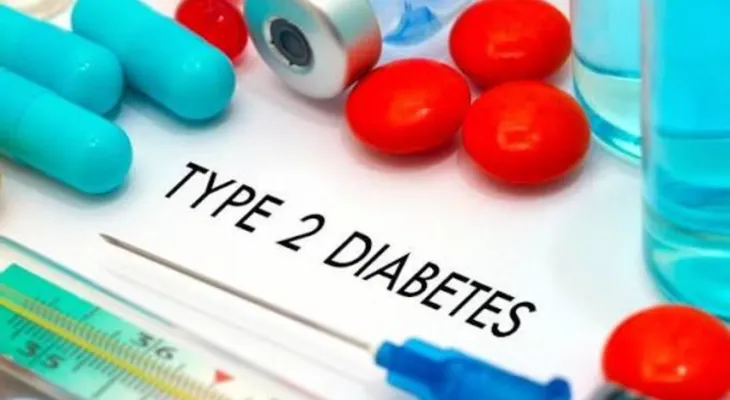
Ahead of World Diabetes Day on 14 November, healthcare experts are highlighting the importance of early prevention, lifestyle modifications and regular screening to reduce the risk of Type 2 diabetes, which can develop silently without noticeable symptoms during its initial stages.
This year's theme, "Early Action on Diabetes", emphasises proactive prevention and timely detection through healthier lifestyle choices, greater awareness and routine health check-ups. According to Dr Nikita Toshi, Head of Medical Content Team at PharmEasy, diabetes prevention must begin early in life, with healthy habits developed during childhood playing an important role in reducing long-term metabolic health risks.
Prevention Begins Early
Encouraging children to adopt balanced eating habits, participate in sports and engage in regular physical activity can help reduce the risk of developing lifestyle-related conditions, including Type 2 diabetes, later in life.
"Healthy habits should be encouraged from childhood, with a focus on balanced eating, regular physical activity, sports and active lifestyles. These habits can help reduce the risk of developing type 2 diabetes later in life," Toshi said.
She also highlighted that Type 2 diabetes may remain undetected for extended periods because individuals do not always experience noticeable symptoms during the early stages. This makes preventive screening particularly important for individuals with risk factors, including a family history of diabetes. Routine health check-ups and blood glucose testing can help identify elevated sugar levels and enable timely medical intervention.
Screening And Lifestyle Changes
Healthcare experts recommend combining regular screening with sustainable lifestyle modifications to improve metabolic health and reduce diabetes risk. Balanced nutrition, regular exercise, maintaining a healthy weight and limiting sedentary behaviour remain important components of prevention and long-term health management.
Toshi also encouraged individuals to prioritise routine health assessments, seek medical advice and undergo blood sugar testing based on their individual risk profiles. With diabetes remaining a significant public health concern, early awareness, preventive healthcare and timely detection are essential to reducing the long-term burden of the condition. World Diabetes Day serves as an opportunity to encourage individuals and families to adopt healthier routines and make preventive health check-ups a priority.