A child has died from measles in New York, marking the state's first measles-related death in 30 years. This tragic death in three decades has brought renewed attention to the dangers of a highly contagious disease that many people thought belonged to the past. It’s easy to think of measles as a relic from another era, a simple rash that kids just “get,” but this case is a hard lesson: measles can turn dangerous fast. We’re talking about pneumonia, brain swelling, and sometimes death. Problems that once seemed rare, but now feel alarmingly close to home. Per The Guardian, the situation is especially worrying because measles outbreaks in the US are cropping up again, and it’s not random. More people are skipping vaccines, or entire communities are falling behind, and that opens the door for this virus. Even though measles was called “eliminated” here back in 2000, that never meant it vanished. It just meant we didn’t have the virus spreading consistently inside US borders. Now, someone catches it overseas, brings it back, and it can ripple out in places where folks aren’t protected. So for parents, teachers, or anyone who spends time around kids, it’s worth knowing what to look out for, how to keep the family safe, and why skipping those shots really isn’t worth the risk. Here’s a closer look at what matters: spotting the early signs, understanding who’s in the danger zone, staying on top of prevention, managing illness, and why this latest outbreak should get everyone’s attention.
Measles starts off sneaky, then gets serious
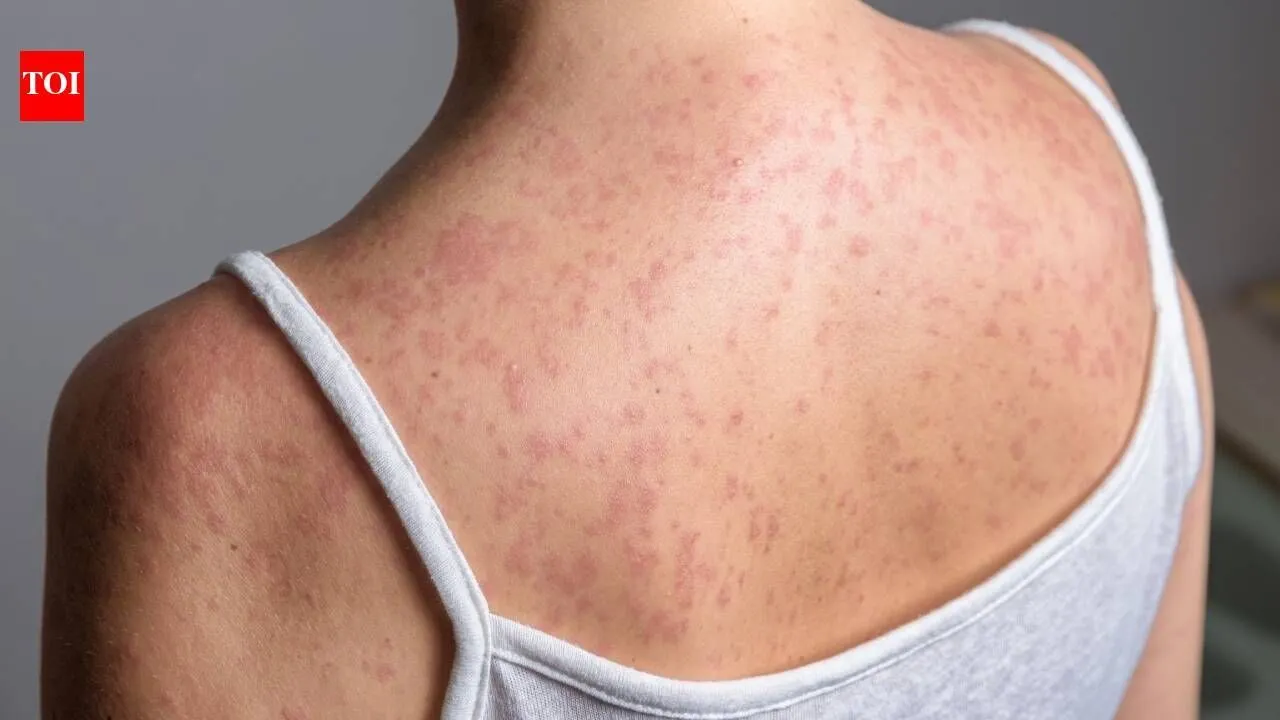
At first, measles is easy to mistake for a regular virus. The classic symptoms start showing up a week or two after contact: a high fever, dry cough, runny nose, those red, watery eyes. Nothing too alarming, except that’s how measles slips under the radar. Look out for tiny white spots inside the mouth (doctors call them Koplik spots); they’re a giveaway. A few days after those first symptoms, the hallmark rash appears, starting near the hairline and spreading. By then, the person has already been contagious; people with measles can spread it for days before that rash shows. The virus travels through the air when someone coughs or sneezes. The CDC says it’s highly contagious: if you’re not immune and share a room with someone sick, your chances of getting infected are almost 9 out of 10. That’s why early detection and isolating sick kids or adults really matter.
Some groups run a far greater risk of serious illness
Measles doesn’t treat everyone the same. Sure, anyone without immunity is fair game, but little kids, especially those too young to be vaccinated, are much more likely to get very sick. This age group, under five years old, faces some of the worst complications. Pregnant women, people with weak immune systems, and anyone who’s malnourished or low on vitamin A are in trouble too. When complications hit, they hit hard. Things like severe dehydration, ear infections, or pneumonia (the most common cause of death from measles in kids), and even the brain infection called encephalitis, can happen. Some of the scariest effects, like a fatal brain disorder called subacute sclerosing panencephalitis, don’t even appear until years later. For children, the CDC’s rough estimate is this: about 1 to 3 deaths for every 1,000 kids who catch measles.
Vaccination remains the strongest safeguard, and here’s what families need to know
The single most effective way to stop measles? The vaccine. Kids usually get the MMR shot (that’s for measles, mumps, and rubella), and two doses offer about 97% protection: one dose gives a bit less, around 93%. If you’re not sure whether your kids have had their shots, double-check their records. Doctors are happy to help you figure out what they need. As measles cases climb, particularly in New York, health officials are urging parents to be extra cautious, and in high-risk settings, even babies as young as six months might be offered an early vaccine dose. Just know that early shots don’t replace the regular series; they’re a temporary fix. Outside of vaccination, old-school approaches still count: stay away from sick people, wash hands, pay attention when local health authorities give warnings, and act fast if someone seems unwell. What makes measles such a threat is its staying power, as it can hang around in a room or on surfaces for up to two hours after an infected person leaves.
No magic cure for measles, so doctors focus on support
If someone does get measles, there’s no special antiviral pill to chase it off. Treatment is pretty much about keeping the patient comfortable: managing fevers, making sure they drink enough, and keeping nutrition up are the basics. Vitamin A can help some kids recover faster or avoid complications, but it’s only used under medical supervision, not something to start giving at home. It’s not a substitute for the vaccine, either. The real trouble comes with complications. If a child develops pneumonia, ear infections, or anything that looks more severe, it’s an emergency, so don’t wait to get help. It’s worth noting: if you think your child has measles, call your doctor before heading to the clinic so they can make arrangements to avoid spreading the virus to others. If someone who isn’t vaccinated ends up exposed, time matters. Doctors may recommend a rapid vaccine dose (within about 72 hours) or immune globulin treatment (within six days) to help fight the infection or lessen its effects.
The growing outbreak in New York is a wake-up call
This child’s death in New York didn’t come out of nowhere; it’s happening during a surge in measles across the state and the country. According to health authorities, New York had already logged nearly 180 confirmed cases just by late October 2026, and the state declared a public health disaster to fight the spread. Keep in mind that the US declared measles “eliminated” more than two decades ago. The only cases we’re supposed to see here should come from people traveling in from abroad. But with vaccine rates dropping in certain places, it doesn’t take long before one imported infection snowballs into a wide outbreak. Epidemiologists say you need about 95% of a community vaccinated to keep measles in check. Unfortunately, the CDC now counts several measles-related deaths nationwide just this year, with New York among the hardest-hit. For parents, this tragedy sends one clear message: don’t brush off early symptoms, don’t put off shots, and don’t think this is some harmless childhood bug. Measles spreads fast, gets dangerous quickly, and prevention is almost always easier and safer than letting the virus take its course. Honestly, the stakes are just too high to gamble with.
End of Article