CHARLOTTE, N.C. — For Jeremy Post, a few things help him keep his type 2 diabetes in check.
“Kind of the core of everything is exercise and diet,” Post said.
Another key element is his medication. He’s among the 1 million North Carolinians who have diagnosed diabetes, according to the American Diabetes Association.
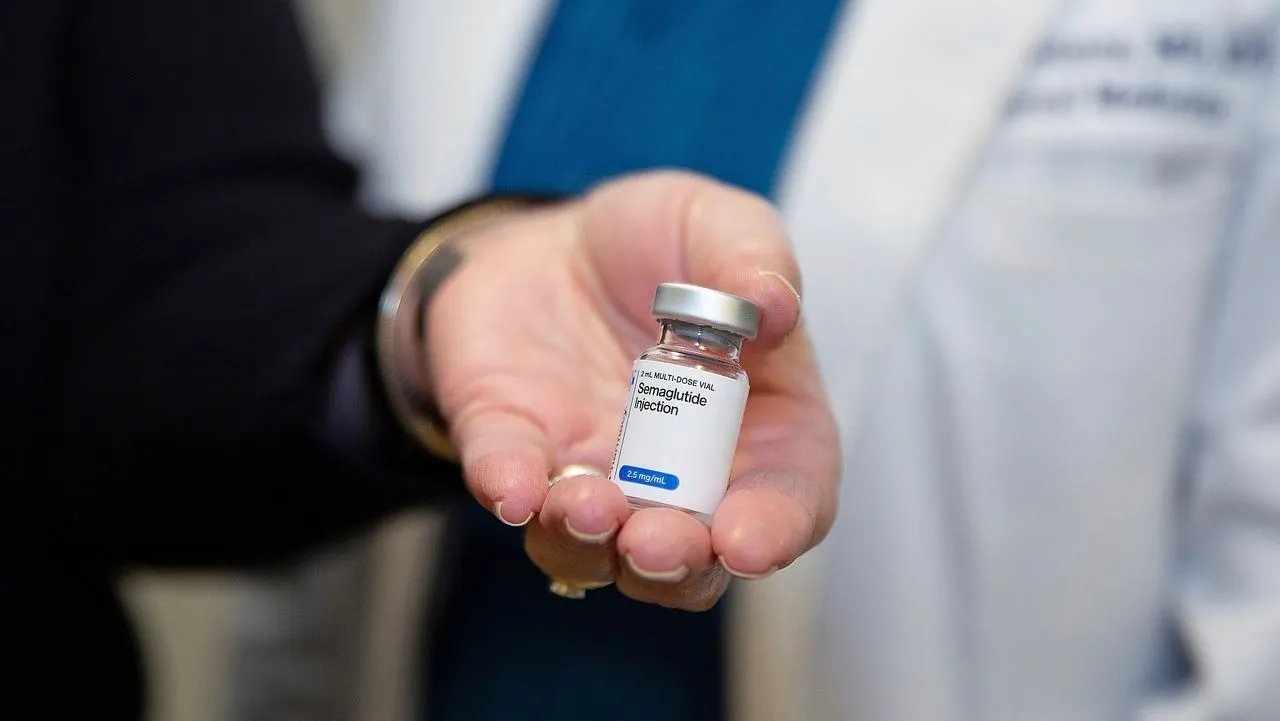
Post also takes a GLP-1, or a glucagon-like peptide receptor. New research from the American Heart Association shows adults with prediabetes and obesity were 1.5 times more likely to lower their blood sugar, compared with people taking other medications for diabetes. The research showed the medication also can lower the risk of stroke or heart attack.
Dr. Natasha Pyfrom, a family medicine doctor, explained how GLP-1s work.
“They basically help the body to have early satiety to feel full sooner, longer, and it basically serves as a control in order to help people develop better eating habits,” Pyfrom said.
Obesity and diabetes can go hand in hand. Post used to be over 300 pounds and lost weight through exercise and eating right.
He says the GLP-1 calms his "food noise." He says people look at obesity like it’s a failure of willpower, but he says that’s far from the truth.
“People that have been thin their whole lives, they don't understand that you have this noise in your head all of the time. What's my next meal? This is what I want to eat for my next meal,” Post said. “I noticed that once I got on a GLP-1 that went away, I wasn't obsessed with it.”
Technology like continuous glucose monitoring has also improved.
Post wears a monitor on his arm and checks his blood sugar levels on an app he created on his phone.
“I'm at 101 right now and then you can see, you know, like you see the dawn effect about the time I’m waking up and about the time I ate lunch,” Post said.
Even with the benefits of GLP-1s, Pyfrom says they aren’t for everyone.
“We need to be intentional about who we're prescribing it for,” Pyfrom said. “Definitely talk with your doctor. I think we want to make sure that we're going with the FDA-approved options.
"There's a lot of other options out there," Pyfrom said. "You want to make sure that it's FDA approved, approved by your doctor, not increasing so quickly, just being intentional about how it affects the patient and monitoring.
Pyfrom says there are side effects for some people on GLP-1s and the medication isn’t a one-size-fits-all.