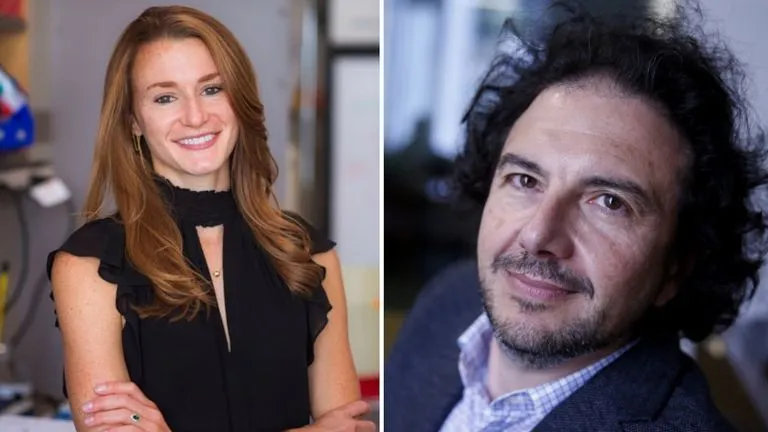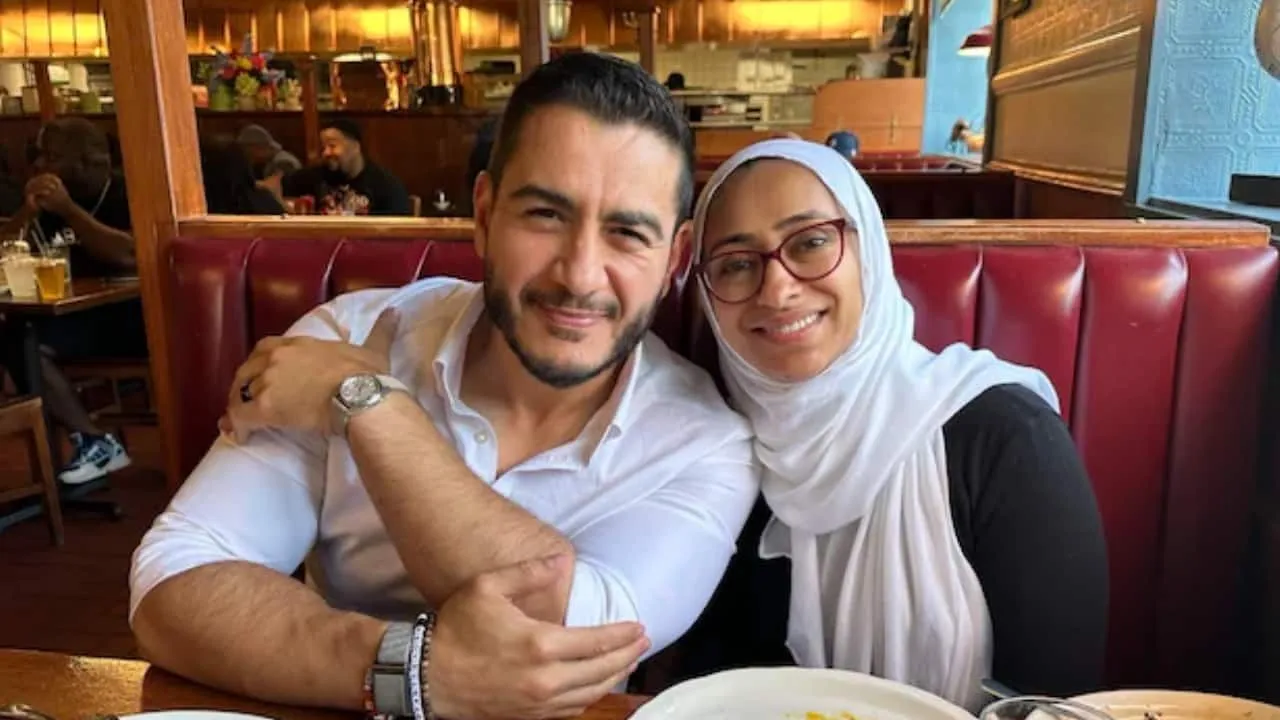
Abdul El-Sayed marked a milestone in US politics on Wednesday, becoming the first Muslim elected to the US Senate. As he celebrated the victory with his wife, Dr Sarah Jukaku, her Indian roots added another dimension to the occasion. But how did his Egyptian family react when he decided to marry an Indian woman? A clip from a podcast, now going viral on social media, offers an answer.
In the conversation, El-Sayed recalled an amusing exchange with an uncle in Egypt after he married Sarah. His uncle, apparently surprised by his choice, pointed out that there were plenty of Egyptian women he could have married.
“There are 80 million Egyptians and you went and married an Indian woman?” the uncle asked him.
El-Sayed, however, had a quick response ready. “I replied ‘Amu (uncle in Arabic), there are a billion of them so statistically speaking, this was a high probability’,” he recalled.
The anecdote comes from an episode of the podcast Meet The Real Abdul El-Sayed, which was uploaded to YouTube in August.
Who is Sarah Jukaku?
Sarah is a psychiatrist who was born and raised in Michigan to parents of Indian origin. Her family traces its roots to Bhatkal, a coastal town in Karnataka’s Uttara Kannada district, around 140 km from Mangaluru.
She met El-Sayed while they were students at the University of Michigan. The two got engaged when El-Sayed was a freshman and married in May 2006. They now have two daughters, Emmalee and Serene, and live in Ann Arbor, Michigan.
Sarah’s father, Dr Tayeb Jukaku, is a nephrologist who hails from Bhatkal. He completed his MBBS in Bengaluru before moving to the US in the 1980s.
While Sarah grew up in America, her Indian heritage has remained part of the family’s story. El-Sayed, too, has spoken openly about the influence of his wife’s family and the South Indian culture he has become familiar with over nearly two decades of marriage.
In an interview, he described his household as being surrounded by “desi women”, referring to Sarah and their two daughters. At a Pakistan Independence Day gathering in Michigan in August, he also spoke about his wife’s background, saying, “My wife is desi. She’s from the other side of the partition line.”