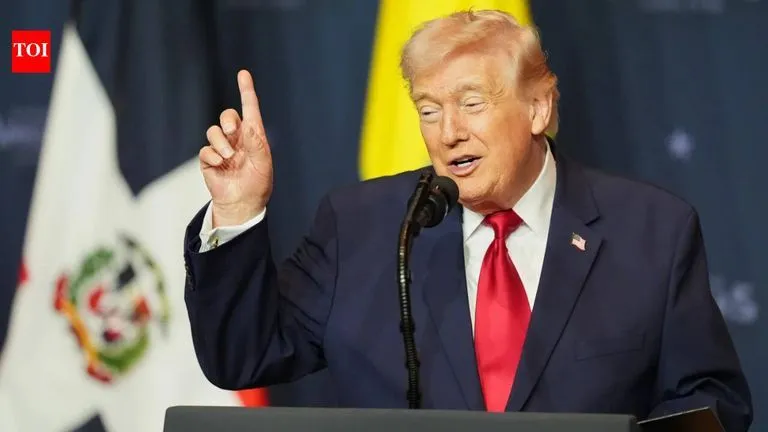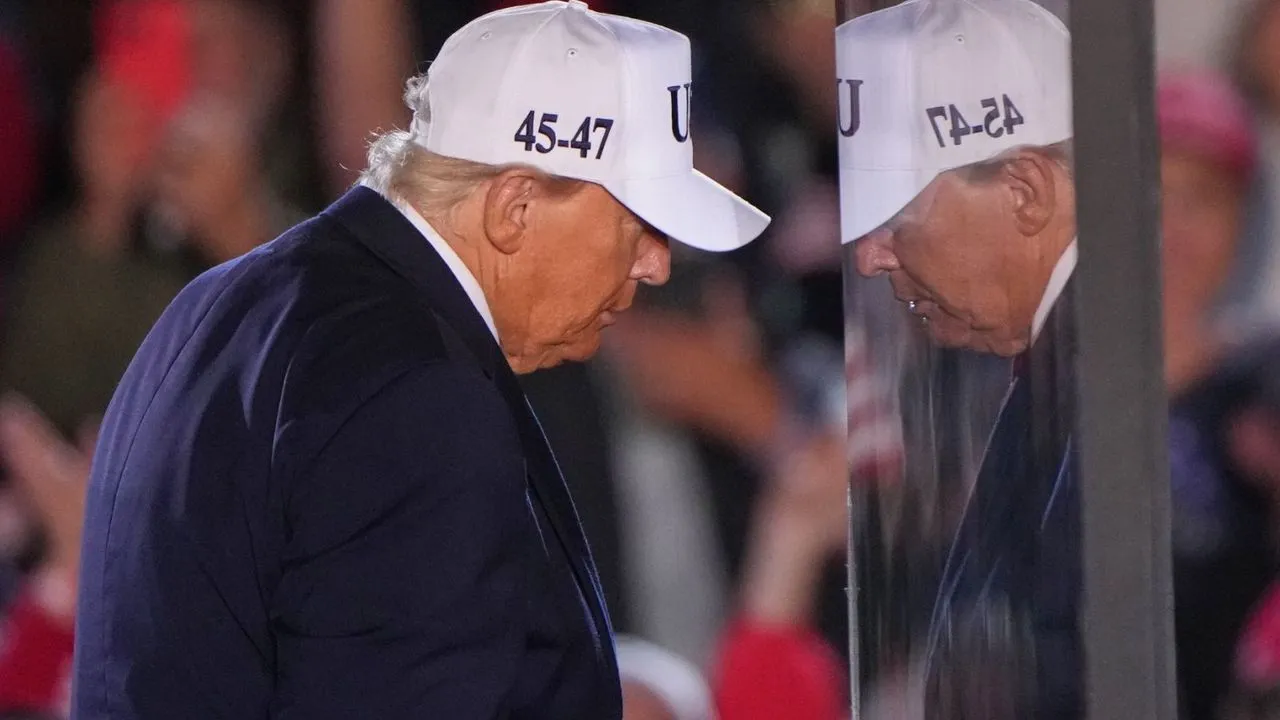
The most immediate explanation lies in voters’ pockets. The cost of living emerged as a defining issue. Americans who expected Trump to deliver economic relief instead faced soaring grocery prices, rising energy bills and mounting healthcare costs.
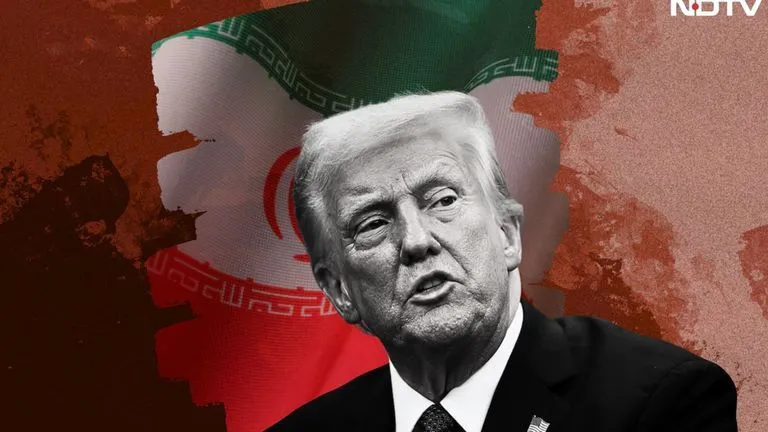
The second major factor was the Iran quagmire. Trump had campaigned on ending forever wars and putting America first. An extended conflict in the Middle East was precisely the kind of foreign entanglement his supporters expected him to avoid, and it alienated a war-weary electorate. The conflict also disrupted global energy supplies and drove up fuel prices. His ill-advised tariffs added to the burden, with costs ultimately passed on to American consumers.
Corruption and conflicts of interest were also powerful themes in the Democratic campaign. The perception that Trump and his inner circle were using public office for private gain struck at the heart of his populist appeal. Trump himself reportedly increased his personal fortune by $2.2 billion, exposing the stark contradiction between his promise to drain the swamp and reality.
The immigration crackdown was another source of discontent. There is a legitimate debate about border security, but ICE’s draconian tactics, from highly publicised raids to harsh detention practices, generated fear well beyond undocumented communities. It alienated many Hispanic and Black voters whose support had helped secure Trump’s victory in 2024.
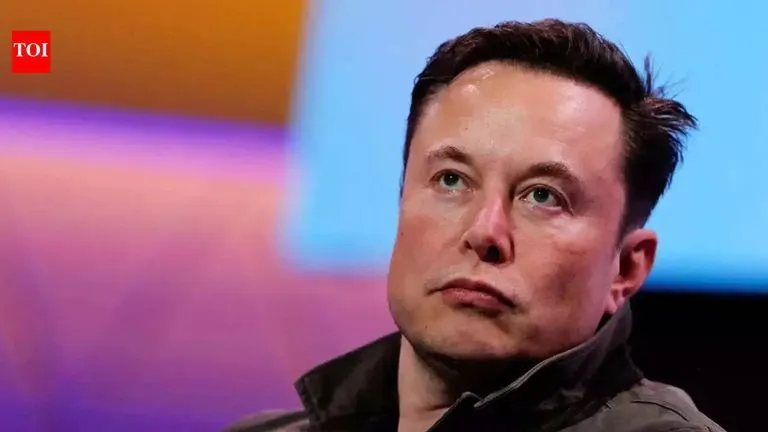
The midterms saw record sums pour into campaigns, with billionaires like Elon Musk and special-interest groups like AIPAC spending millions to influence key races. This exposed a contradiction at the heart of modern populism: A movement claiming to champion working-class interests while relying on billionaire donors and powerful lobbies. AIPAC’s inability to counter growing public disapproval of Israel’s conduct in Gaza demonstrated that financial muscle cannot indefinitely suppress shifting moral consensus. Meanwhile, the expanding footprint of democratic socialists signalled a grassroots rebellion against corporate power and a demand to rethink the Democratic Party’s economic agenda.
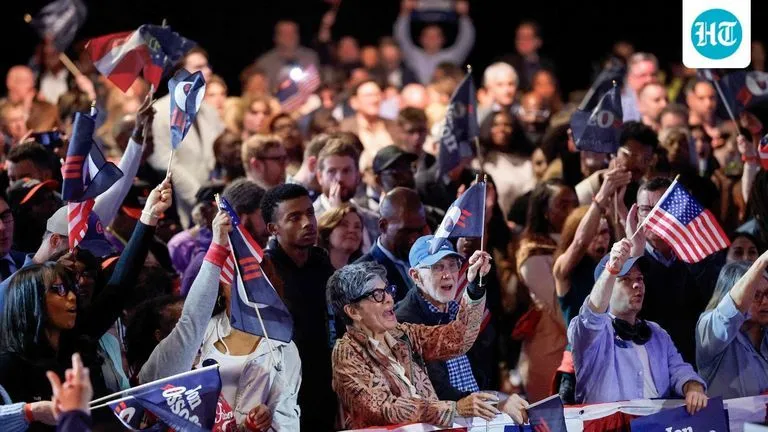
The election was ultimately about restoring constitutional checks and balances. Voters appear to have concluded that Congress had become too deferential to an assertive presidency. Democratic control of both chambers could re-establish an important measure of institutional accountability.
For Trump, the consequences could be considerable. Congressional investigations, hearings on Iran, scrutiny of tariffs, tougher confirmation battles and the prospect of impeachment could make it harder for the White House to govern by fiat and conduct diplomacy by impulse. Republicans looking to their own political futures may also begin distancing themselves from a weakened lame-duck President.
The Democrats cannot afford complacency. Their victory was driven far more by an anti-Trump backlash than a ringing endorsement of their own platform. They must offer credible answers on the economy, immigration, healthcare and America’s place in the world.
For the rest of the world, the results carry a message beyond American domestic politics. Allies unsettled by Trump’s transactional approach may find some reassurance in stronger institutional checks, while adversaries may see an opportunity to test an administration facing greater domestic resistance.
Trump and his MAGA faithful had become the lodestar for right-wing populist movements worldwide, providing ideological inspiration and political legitimacy. This reversal could reverberate internationally. Recent setbacks in Hungary and Serbia, and Luiz Inácio Lula da Silva’s victory over Flávio Bolsonaro in Brazil, point to wider challenges for this brand of politics.
The central message is clear: American democracy has demonstrated its capacity for correction. The President now has a choice. He can moderate his approach, respect institutional independence, abandon the politics of perpetual confrontation and exercise greater restraint in foreign policy. Or he could double down, blame disloyal Republicans, attack his political opponents and seek to govern through an even more aggressive assertion of presidential authority.
Peak Trump is over. Whether the President recognises this reality or spends his remaining two years fighting it will shape not only the final chapter of his presidency but also the legacy he leaves behind.