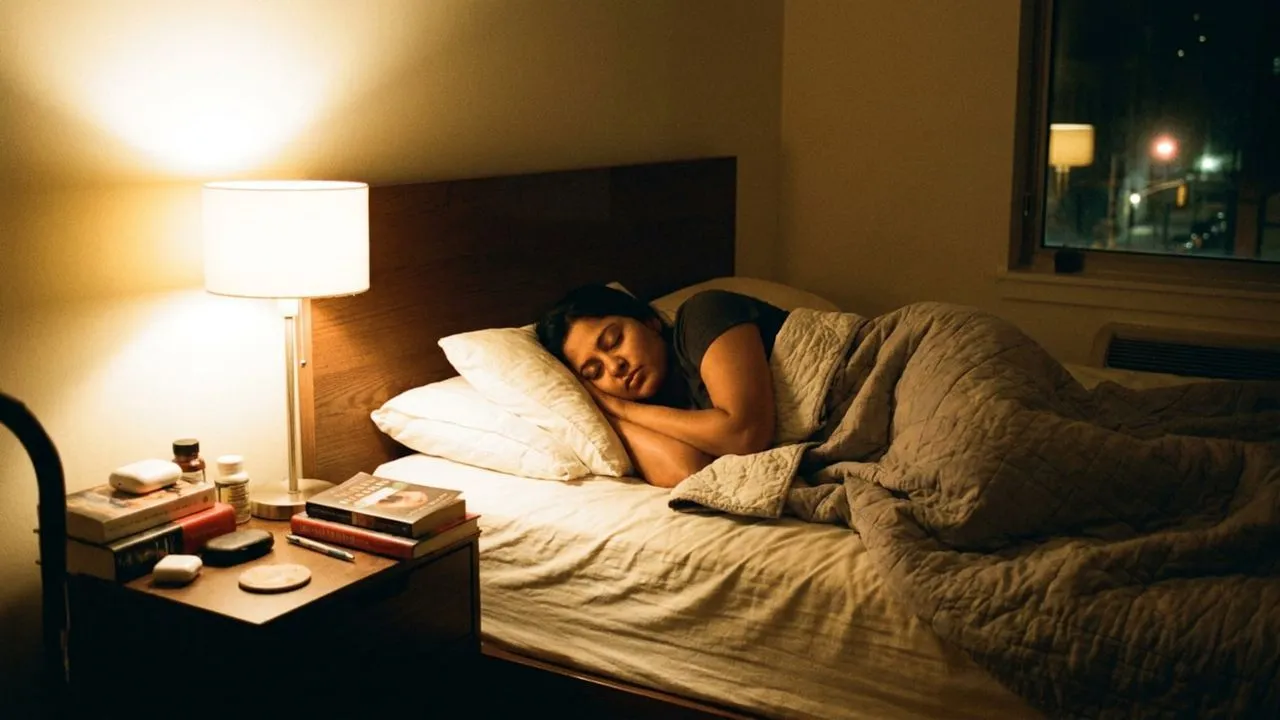
Getting a good night's sleep is important for better health and overall well-being. However, researchers say that it is not only the duration of sleep that's important but also your surroundings where you sleep. According to a new study, exposure to light at night, including light from lamps, electronic devices, streetlights and other sources, can lead to changes in the structure and function of the heart. The study, published in the European Heart Journal, found that people exposed to higher levels of light during the night had changes in several parts of the heart.
The researchers studied more than 11,000 people and found that greater nighttime light exposure was linked to thickening of the heart muscle and reduced heart function. These findings add to previous research wherein researchers linked light exposure during sleep with cardiovascular problems.
How Does Light At Night Affect The Heart?
The human body has an internal 24-hour clock, known as the circadian rhythm. Light is one of the strongest signals that helps regulate this clock. Therefore, bright light at night can interfere with the normal sleep-wake cycle and may affect different processes such as blood pressure, heart rate, metabolism and hormone production.
Earlier research has suggested that nighttime light exposure may also affect glucose metabolism and increase insulin resistance. These changes can indirectly raise cardiovascular risk. The exact mechanisms are still being studied, but researchers believe that disrupted sleep and circadian rhythms may play an important role.
What Did The New Study Find?
The researchers analysed data from 11,071 participants in the UK Biobank. The participants wore wrist devices containing light sensors for seven days to measure their exposure to light at night. About three years later, they underwent cardiac MRI scans to examine the structure and function of their hearts.
Researchers compared people exposed to more than three lux of nighttime light with those exposed to almost no light. Those with higher exposure were more likely to have thickening of the wall of the left ventricle which is the heart's main pumping chamber. The space inside this chamber was also reduced.
The heart muscle's ability to contract and relax properly was also affected. Changes were additionally seen in the right ventricle and left atrium. Researchers described these changes as signs of early heart dysfunction.
It May Increase The Risk Of Heart Disease
The study also looked at cardiovascular outcomes during 8-10 years of follow-up. Compared with people who had little or no nighttime light exposure, those with higher exposure had a 29% higher risk of heart failure, 15% higher risk of atrial fibrillation, 24% higher risk of heart attack and 33% higher risk of stroke. They also had a 26% higher risk of cardiovascular disease-related death.
However, these findings show an association and do not prove that nighttime light directly causes heart disease. Other factors may also contribute. Still, the researchers say the findings provide a possible explanation.
Why Is Darkness Important During Sleep?
During the night, the body is supposed to shift into a state that supports rest and recovery. Exposure to light can interfere with this process and may reduce the quality or duration of sleep.
The study found that shorter sleep could help explain the relationship between nighttime light exposure and changes in heart structure and function. This suggests that light may affect cardiovascular health both directly through circadian disruption and indirectly by interfering with sleep.
How To Reduce Light Exposure At Night
Here are simple ways to make the sleeping environment darker:
Turn off bedroom lights: Avoid keeping lamps or bright lights switched on while sleeping
Limit screens before bed: Smartphones, tablets, televisions and computers can add to nighttime light exposure
Block outside light: Use curtains, blinds or blackout shades if streetlights or other outdoor sources enter the bedroom
Cover small lights: Turn away or cover bright standby lights on electronic devices
Use warmer, dimmer lighting: If you need a light at night, use a dim, warm-coloured light rather than bright white lighting
Disclaimer: This content including advice provides generic information only. It is in no way a substitute for a qualified medical opinion. Always consult a specialist or your own doctor for more information. NDTV does not claim responsibility for this information.