Babies born to mothers who had type 1 or type 2 diabetes before pregnancy had a 48% higher risk of critical congenital heart disease, the most serious category of heart defects present at birth, according to preliminary research released Nov. 2 by the American Heart Association. The analysis covered more than 44 million U.S. live births from 2018 through 2024.
Chronic high blood pressure was linked to a 30% higher risk. The findings are associations drawn from birth certificate records, not proof that either condition caused a baby's heart defect, and the abstract has not been peer reviewed.
For families, the study points to the months before pregnancy. Diabetes and high blood pressure are common and often manageable, and checking them before conception is something many parents-to-be can do with a doctor they already see.
Two Common Conditions, One Rare Outcome
Researchers led by Dr. Saad Ur Rahman, chief cardiology fellow at Lahey Clinic of Beth Israel Lahey Health in Burlington, Massachusetts, analyzed birth records from the CDC's National Vital Statistics System. The work will be presented at the association's Scientific Sessions in Chicago, held Nov. 6 to 9.
Among the more than 44 million births, about 28,000 babies had critical congenital heart disease, or about 0.06% of births. Compared with mothers without high blood pressure, those with chronic hypertension had a 30% higher risk. Gestational hypertension, which is diagnosed at 20 weeks of pregnancy or later, was linked to a smaller 8% increase. Eclampsia, a severe complication involving seizures, was not significantly linked.
Diabetes before pregnancy showed the strongest link of the conditions reported, with a 48% higher risk compared with mothers without diabetes. The analysis adjusted for maternal demographics, diabetes, smoking, pregnancy history, and pregnancy length.
Conditions present before pregnancy showed stronger links than blood pressure problems that appeared later. That timing is relevant because a baby's heart and other major organs form during the first eight weeks of pregnancy, according to the National Institute of Diabetes and Digestive and Kidney Diseases.
Both measures rose over the study period. High blood pressure affected about 9.4% of pregnancies in 2018 and 13.9% in 2024, while critical congenital heart disease rose from 5.8 to 6.4 cases per 10,000 births, according to the release. The study does not show that one trend drove the other.
"These results emphasize the importance of monitoring blood pressure, discussing heart health with clinicians and receiving appropriate care before and during pregnancy to reduce the risk of fetal heart defects," Rahman said.
Limits of Birth Certificate Data
This is a large observational study based on birth certificates. That scale is a strength, but birth certificates do not record genetic factors, detailed maternal health history, prenatal imaging, whether a condition was treated, or how well it was controlled. As a result, the study cannot say whether a mother with well-managed diabetes or blood pressure faces the same risk as one whose condition is poorly controlled.
That gap matters, because earlier research suggests control makes a difference. According to the CDC's summary of research on diabetes and heart defects, good blood sugar control before pregnancy lowers the risk of birth defects among women with diabetes to nearly the level seen in women without diabetes. A 2015 analysis cited by the agency estimated that about 2,670 babies a year in the United States could be born without heart defects if mothers with diabetes had their blood sugar under control before pregnancy.
Absolute risk also deserves attention. Because critical heart defects are rare, a 48% higher relative risk still means the vast majority of babies born to mothers with diabetes will not have one.
"Although the absolute risk of critical congenital heart disease remains low, these findings highlight the importance of identifying and managing chronic hypertension before and during pregnancy," said Dr. Flora Nuñez Gallegos, a pediatric cardiologist at the University of California, San Francisco, who was not involved in the research. Funding and co-author disclosures appear in the abstract rather than the release.
Planning Ahead Before and After Birth
People with type 1 or type 2 diabetes who are thinking about pregnancy can ask their doctor about a preconception visit. That visit can cover blood sugar targets, A1C testing, and whether any current medicines should be changed before conception. People should not stop or change diabetes or blood pressure medicines on their own, since some changes need medical supervision.
The same applies to high blood pressure. Home blood pressure checks, along with regular prenatal visits, help clinicians spot rising readings early. Anyone who learns they are pregnant before their condition is well controlled should contact their care team promptly.
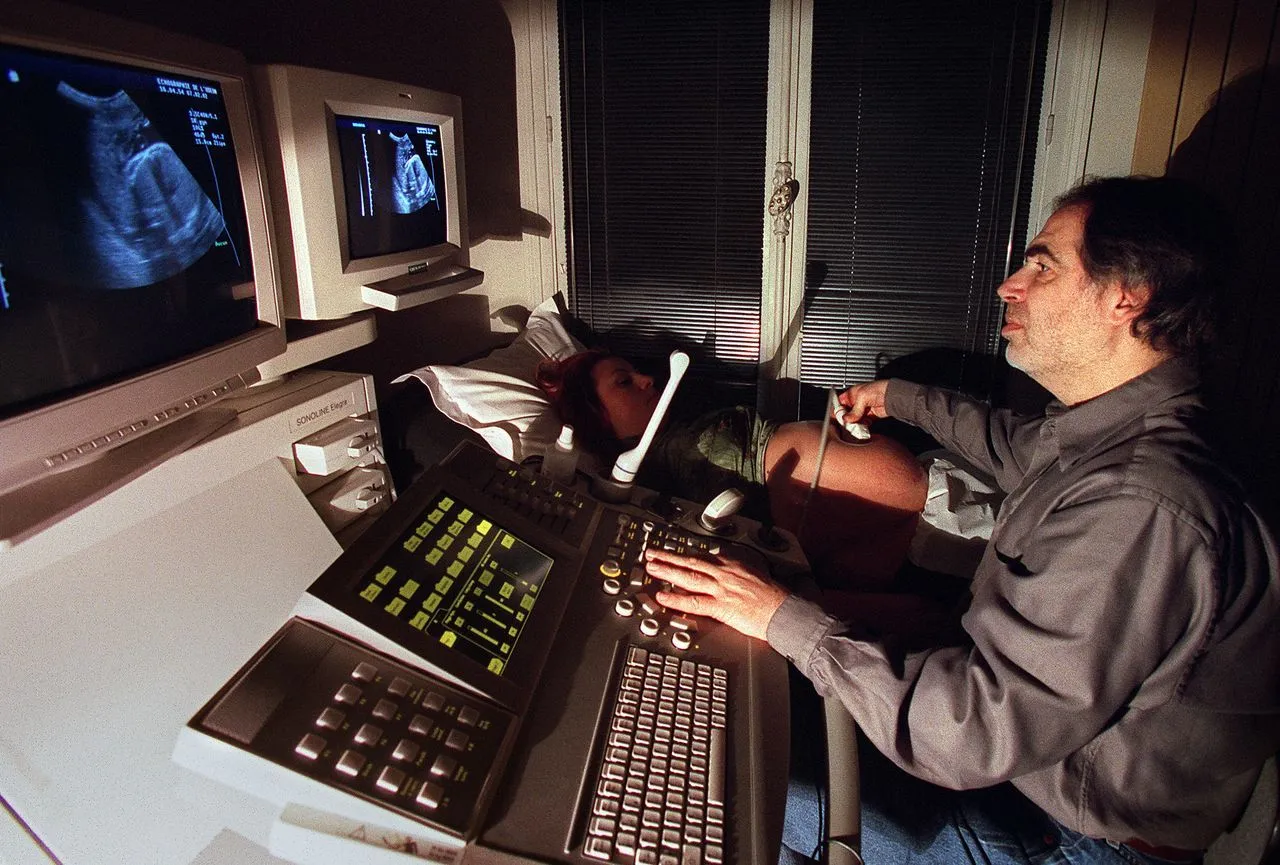
During pregnancy, parents with diabetes or chronic hypertension can ask whether a detailed fetal heart ultrasound is recommended. Finding a heart defect before birth gives families and doctors time to plan delivery at a hospital ready to treat the baby.
After birth, all 50 states and Washington, D.C., screen newborns for critical heart defects with pulse oximetry, a painless sensor test that checks blood oxygen levels. According to the CDC's newborn screening page, about 1 in 4 babies born with a heart defect has a critical one, and these babies need surgery or other procedures in their first year. The CDC notes that a baby who passes the screen can still have a defect.
Parents should seek urgent care if a newborn has bluish lips or skin, trouble breathing, poor feeding, or unusual sleepiness. Those signs do not always mean a heart problem, but they always deserve prompt medical attention.
The full abstract will be presented this week, and a peer-reviewed paper would be needed before the estimates are considered firm. For now, the message is practical rather than alarming: managing diabetes and blood pressure before pregnancy is one of the few known steps families can take to lower this rare but serious risk.
Key Questions Answered
What did the study find? Among more than 44 million U.S. births, diabetes before pregnancy was linked to a 48% higher risk of critical congenital heart disease. Chronic high blood pressure was linked to a 30% higher risk.
Does diabetes cause heart defects? This study shows an association, not cause and effect. Birth certificates lack details on genetics, treatment, and how well conditions were controlled.
How common are critical heart defects? They occurred in about 0.06% of births in the study, or roughly 6 in 10,000.
Can controlling blood sugar lower the risk? The CDC says good blood sugar control before pregnancy reduces birth defect risk to nearly the level seen in women without diabetes.
Are newborns screened for heart defects? Yes. All 50 states and Washington, D.C., screen newborns with pulse oximetry, though a baby who passes can still have a defect.
What signs need urgent care in a newborn? Bluish skin or lips, trouble breathing, poor feeding, or unusual sleepiness.